



Fast Wins for Tower Living

Welcome to a practical guide built for residents of tall buildings who want immediate results. Today we spotlight quick energy and water savings for high-rise residents, translating expert tricks into 10-minute actions, renter-friendly fixes, and small habit shifts that shrink bills, lighten your footprint, and make apartments more comfortable, quieter, and cooler or warmer when it matters most. Start now, measure progress, and share your successes with neighbors.

Light That Pays You Back Today

Focus on bulbs you use most: kitchen, bathroom, desk, and entry. Replace any remaining incandescents with 8–10W LEDs around 800 lumens, choose warm 2700K for coziness, and cool 4000K for tasks. Add motion sensors in closets and hallways, and try dimmers compatible with your fixtures. The payoff appears on your next bill and the cooler bulbs reduce AC load.

Silent Standby Slayers

Many gadgets quietly sip power all day. Group TV, streaming boxes, consoles, and speakers on one smart strip and schedule nightly shutdowns. Put chargers on another strip and unplug after devices hit 80–90%. Use the microwave clock only if you need it, and disable always-on Bluetooth search on accessories. These tweaks reclaim wasted watts without sacrificing convenience.

Thermostat Tweaks for Tall Buildings

Towers trap heat differently on upper floors and cool differently near shaded façades. Program modest set-backs when you are out, pre-cool or pre-warm before peak hours, and use fans to circulate comfort at lower energy cost. Close interior doors to shape airflow, and place thermostats away from sunlit windows or electronics that skew readings.

Water Wisdom Without Wrenching the Pipes

Save liters daily with renter-friendly changes that require no pipe work. Hand-tighten faucet aerators, swap in a low-flow showerhead, drop a displacement bottle in the toilet tank if allowed, and report any leaks with timestamps and photos. Wash full loads on eco cycles, capture preheat water for plants, and train yourself to turn taps fully off. Small decisions compound into big building-wide results.

Faucet and Shower Upgrades You Can Hand-Tighten

Choose 1.0–1.5 GPM aerators for bathroom sinks and about 1.75–2.0 GPM for showers to keep comfort high while slashing use. Wrap threads with a little plumber’s tape if needed, and clean mineral buildup monthly. The softer spray still rinses soap quickly, saves on water heating, and reduces moisture that fogs mirrors and feeds mildew.

Laundry and Dish Habits that Halve Waste

Run appliances only with full, well-sorted loads on cold or eco modes, and air-dry when practical using foldable racks that fit balconies. Scrape rather than pre-rinse dishes, choose shorter cycles for lightly soiled items, and clean filters to maintain efficiency. Share a calendar with roommates to avoid half-loads, and track liters saved to stay motivated.

Windows, Balconies, and Airflow in Towers

In high-rise apartments, comfort and efficiency depend on managing sun, wind, and pressure differences. Layer window treatments, seal gaps, and choreograph when you open or close glass doors to partner with the building’s rhythms. Shade in summer mornings, ventilate during cooler evenings, and capture winter sun while blocking drafts. These micro-moves stabilize temperatures and lighten HVAC load.

Kitchen Efficiency that Still Tastes Amazing

Electric Hob Mastery and Induction Basics

Pre-measure ingredients, preheat only when necessary, and favor flat-bottomed pans for solid contact. If you have induction, leverage precise low settings and count on rapid response to avoid overshoot. For boiling, use a kettle and pour into the pot. Keep coils or glass tops clean so sensors and thermostats work efficiently and predictably every meal.

Fridge and Freezer Care

Set temperatures around 37–40°F for the refrigerator and 0°F for the freezer, keep door seals clean and springy, and leave space for air to circulate. Defrost if ice builds up, and vacuum condenser coils if accessible. A well-organized interior reduces door-open time, protects food, and keeps compressors running shorter, quieter cycles.

Meal Prep that Saves Utilities

Batch-cook grains and proteins, then mix and match through the week to avoid long nightly cooking sessions. Choose recipes that share oven temperatures so you can bake several items together. Pressure cook tough cuts efficiently. Plan cold-assembly meals on heatwave days. Less cooking time means lower bills, cooler kitchens, and fewer takeout temptations.

Elevator Life, Common Spaces, and Neighbor Power

Shared areas shape both comfort and consumption. Advocate for LED retrofits in corridors, occupancy sensors in storerooms, and smart scheduling for amenity HVAC. Coordinate package deliveries to reduce repeated elevator trips, and take stairs for one or two floors when safe. Celebrate wins publicly so neighbors join in, magnifying every individual effort through community momentum.

01

Lobby Lights and Hallway Sensors

Propose a simple walkthrough with management to spot fixtures still using fluorescent tubes or halogens. Volunteer to pilot occupancy sensors in low-traffic areas and document before-and-after usage. Share maintenance benefits like longer bulb life and cooler fixtures. Data-backed suggestions get approved faster and improve safety while saving energy every single night and weekend.

02

Elevator Etiquette that Saves Energy

Combine errands to minimize starts, avoid calling multiple cars by pressing both up and down, and hold doors courteously but briefly. For two floors, consider the stairs to build fitness and bypass wait times. Report squeaks or jerks early; smoother operation saves energy. Friendly reminders in chat groups normalize efficient habits without shaming anyone.

03

Build a Floor Champions Chat

Create a small group where neighbors swap quick wins, bulk-buy aerators, and share loaner tools like kill-a-watt meters or infrared thermometers. Coordinate seasonal tune-ups and invite building staff for five-minute Q&A sessions. Encouragement from familiar faces turns good intentions into lasting routines and creates a positive feedback loop across multiple floors.

Data, Apps, and Tiny Habits that Stick

Track usage to keep motivation high and catch problems quickly. Log weekly kilowatt-hours and liters, set reminders for filter changes, and automate lights on sunset schedules. Use simple dashboards or a shared spreadsheet among roommates. Celebrate milestones with small rewards, and post your favorite hack in the comments so others can try it too.

Set Baselines and Gamify Your Progress

Start with last month’s utility data or meter photos this week, then set a realistic goal like ten percent in four weeks. Turn it into a challenge with roommates or neighbors. Use stickers, charts, or app streaks to visualize momentum. Regular, public check-ins keep everyone accountable and inspired through plateaus and busy days.
Automation on a Budget

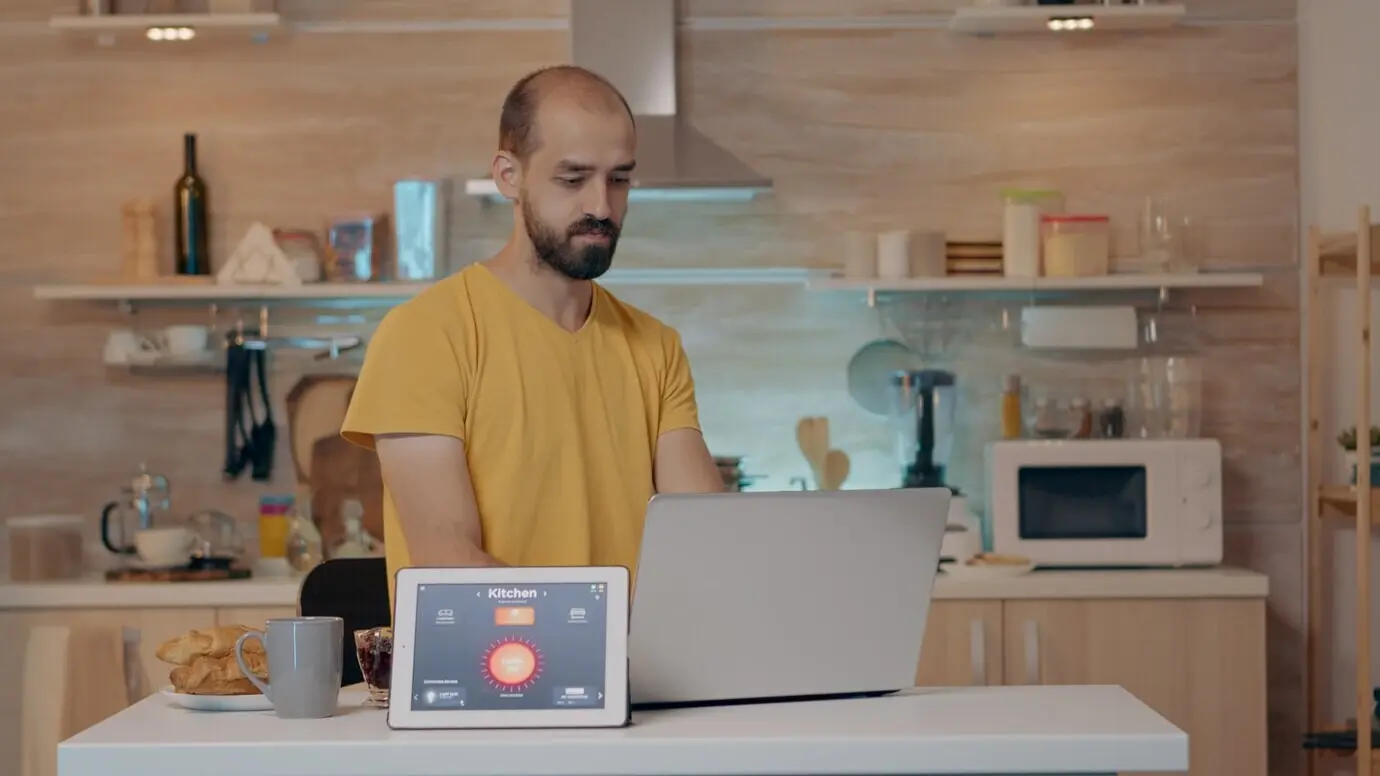
A few smart plugs and bulbs can create powerful routines without renovating anything. Schedule space heaters or dehumidifiers, set vacation modes, and link lights to sunrise and motion. Choose devices with energy monitoring to reveal sneaky loads. Backup with simple analog timers for reliability. Automation reduces decision fatigue, making savings effortless and consistent.

Celebrate Wins and Share Stories

Post a quick note about the new showerhead that transformed your morning or the bill that dropped after sealing drafts. Ask for feedback, compare tips, and invite friends to subscribe for more practical ideas. Community stories turn abstract numbers into relatable proof, helping everyone believe change is worth the minimal effort.


Zatixukulopafopo
Privacy Overview

This website uses cookies so that we can provide you with the best user experience possible. Cookie information is stored in your browser and performs functions such as recognising you when you return to our website and helping our team to understand which sections of the website you find most interesting and useful.